Top 9 SaaS web design agencies in 2026 | Ranked & reviewed

When we selected the best SaaS web design agencies for this list, we didn’t care about big bucks or big brands. We wanted a diverse selection of top-quality agencies around the world, from Krk to Toronto.
Explore the full range of what SaaS web design agencies have to offer, plus tips on how to find the best fit for your project.
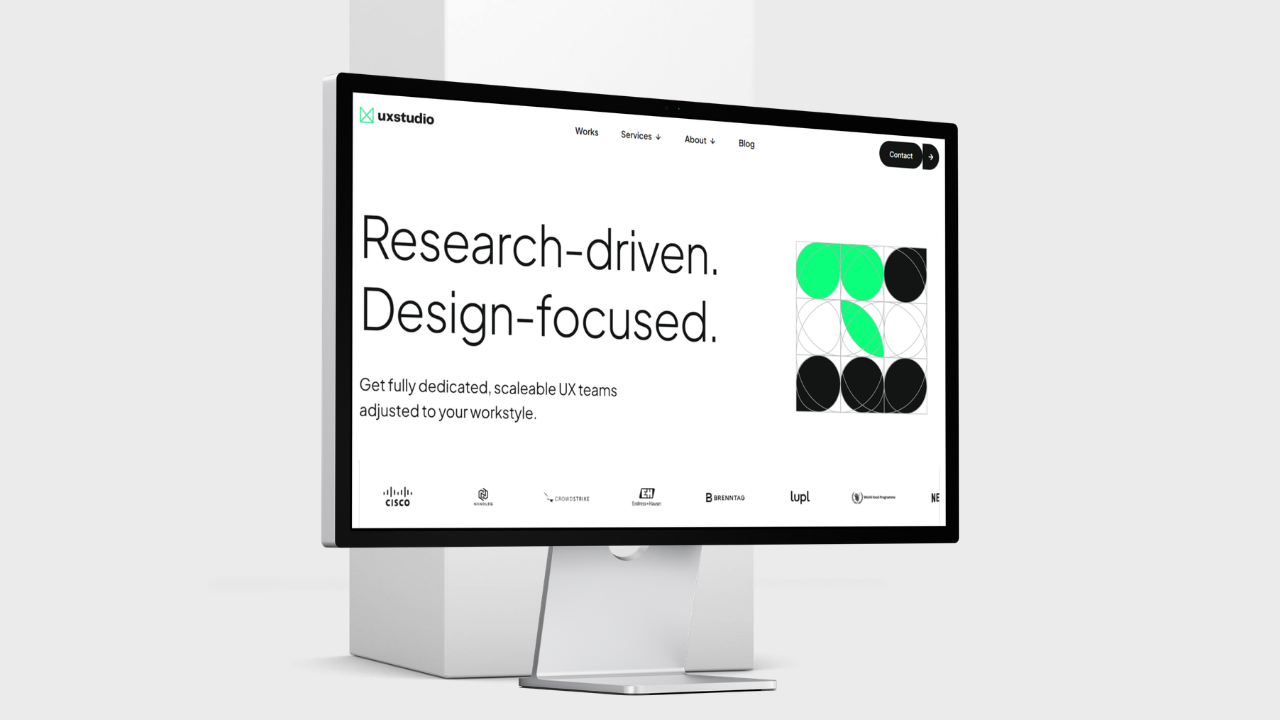
1. UX studio
HQ: Budapest
Focus: B2B SaaS web apps
Pricing: Average (€ 42-85 / hr)
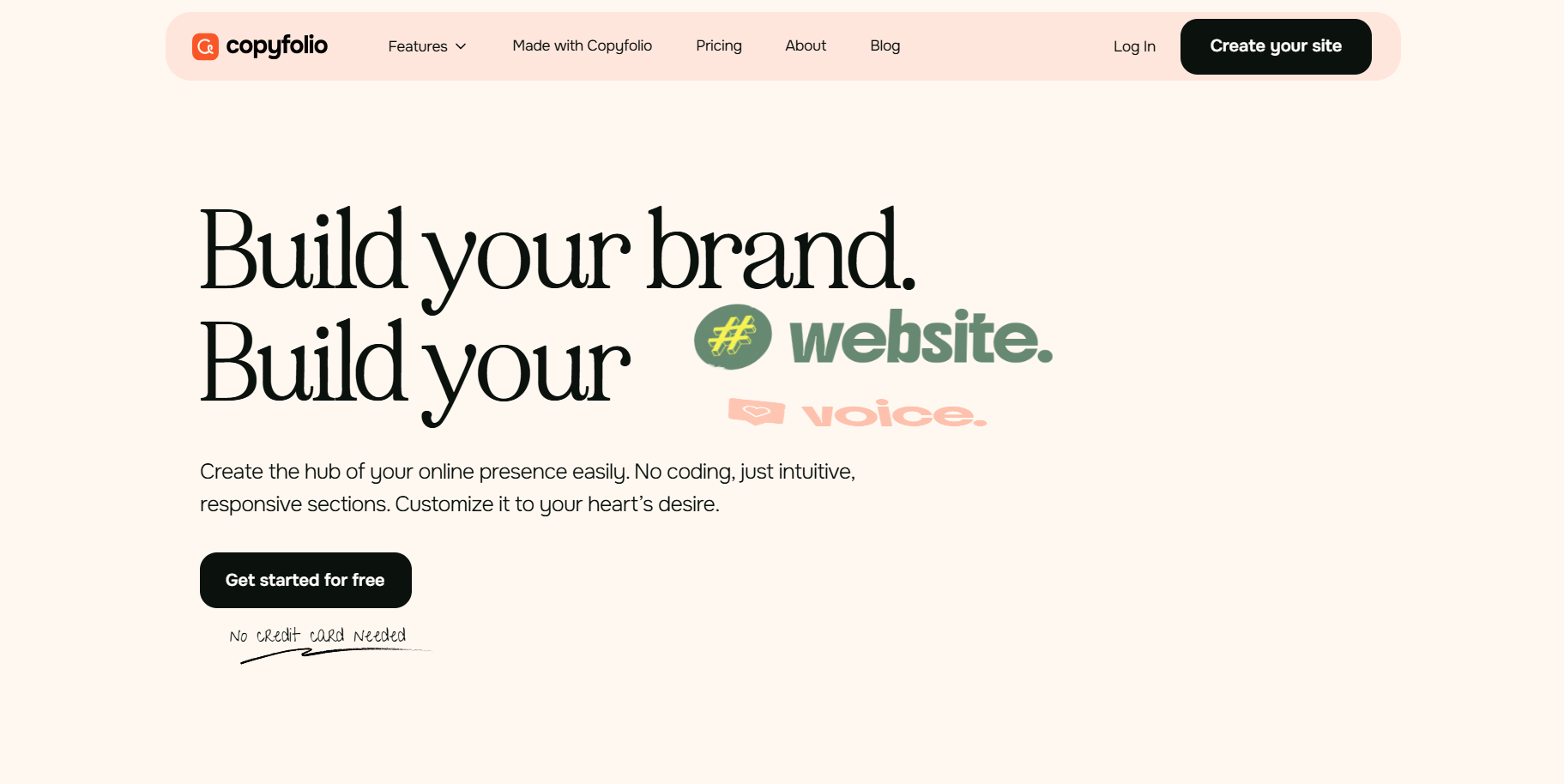
UX studio is the best pick if you have a complex web app that needs solid research, design and development. They have 10+ years of experience working on outstanding SaaS apps, including building and launching their own products, UXfolio and Copyfolio, both of which have a loyal and active userbase.
UX studio excels at:
- Fully integrating into your team
- Talking directly to your target audience
- Sharing their experience to build a scalable product strategy
- Helping you stand out with custom design built on research insights
Need a partner, not just an agency? Explore their portfolio, or message them directly.
2. Baunfire
HQ: San Jose, California
Focus: website design
Pricing: Enterprise (€ 126-170/ hr)
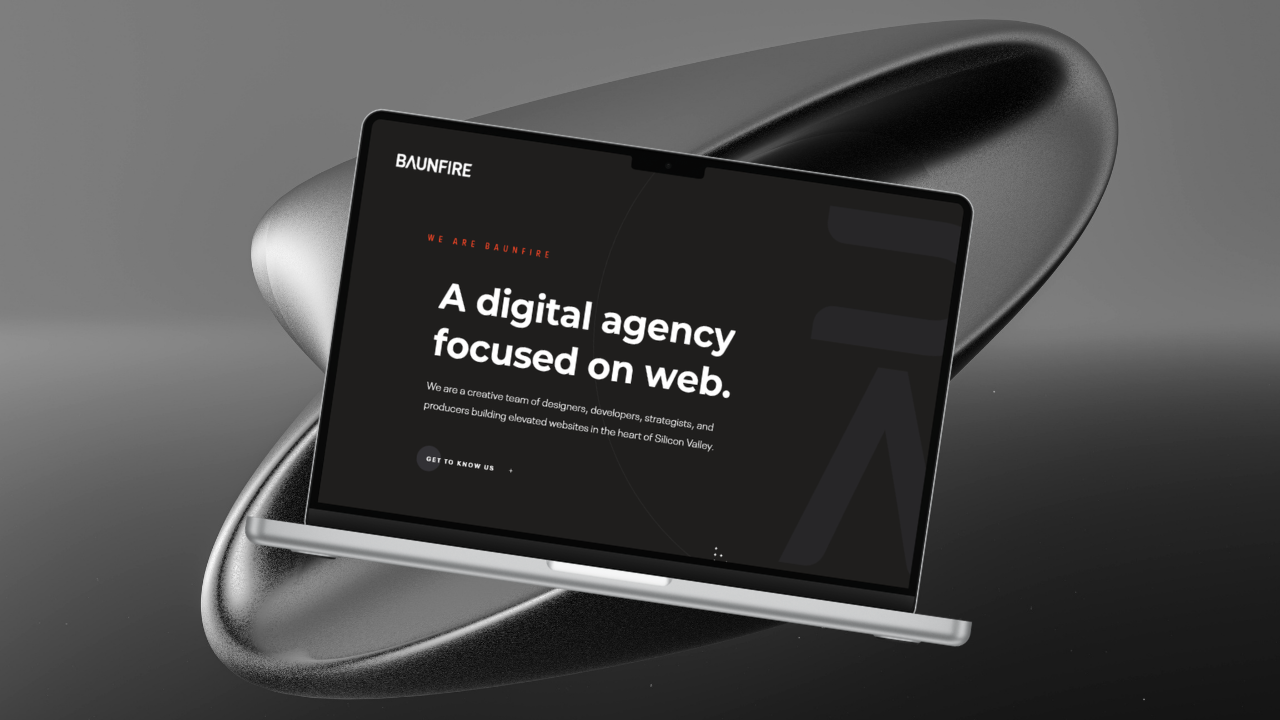
Baunfire is a Silicon Valley-based web design agency specializing exclusively in marketing websites for established SaaS brands and growth-stage startups.
Their work is design-led with a stated focus on conversion, traffic, and engagement rather than custom software or backend systems. If you simply want a top-quality website for your SaaS project, and you want it asap, go with Baunfire.
3. Solveit
HQ: Warsaw
Focus: web development
Pricing: Budget friendly (€ 21 -42 / hr)
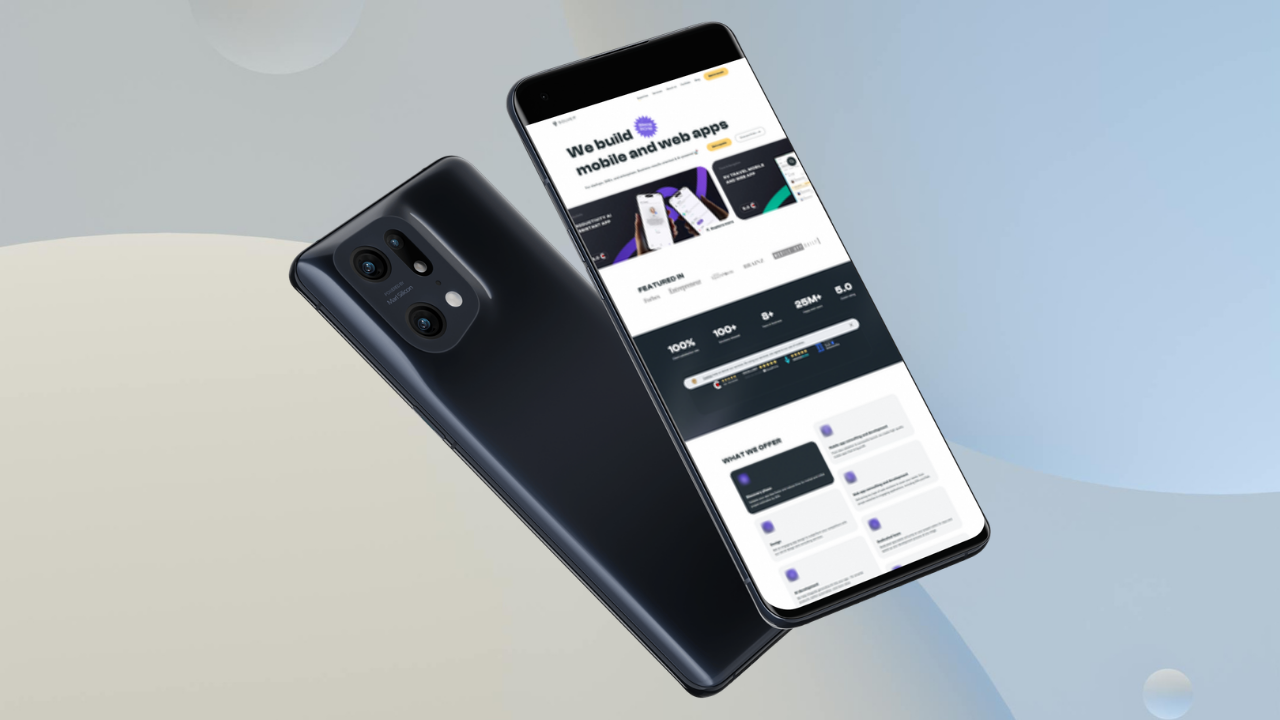
Our number 3, SolveIt, is the best pick for SaaS teams who prioritize having a rock-solid backend.
Their team builds both business-facing admin panels and customer-facing web portals. Their technical stack centers on Java/Spring Boot and React.js, with explicit support for SPA and PWA architectures. If you’re in need of a truly tech-savvy team, look no further.
4. Outcrowd
HQ: Lewes, Delaware
Focus: web design & brand
Pricing: Average (€ 42-85 / hr)
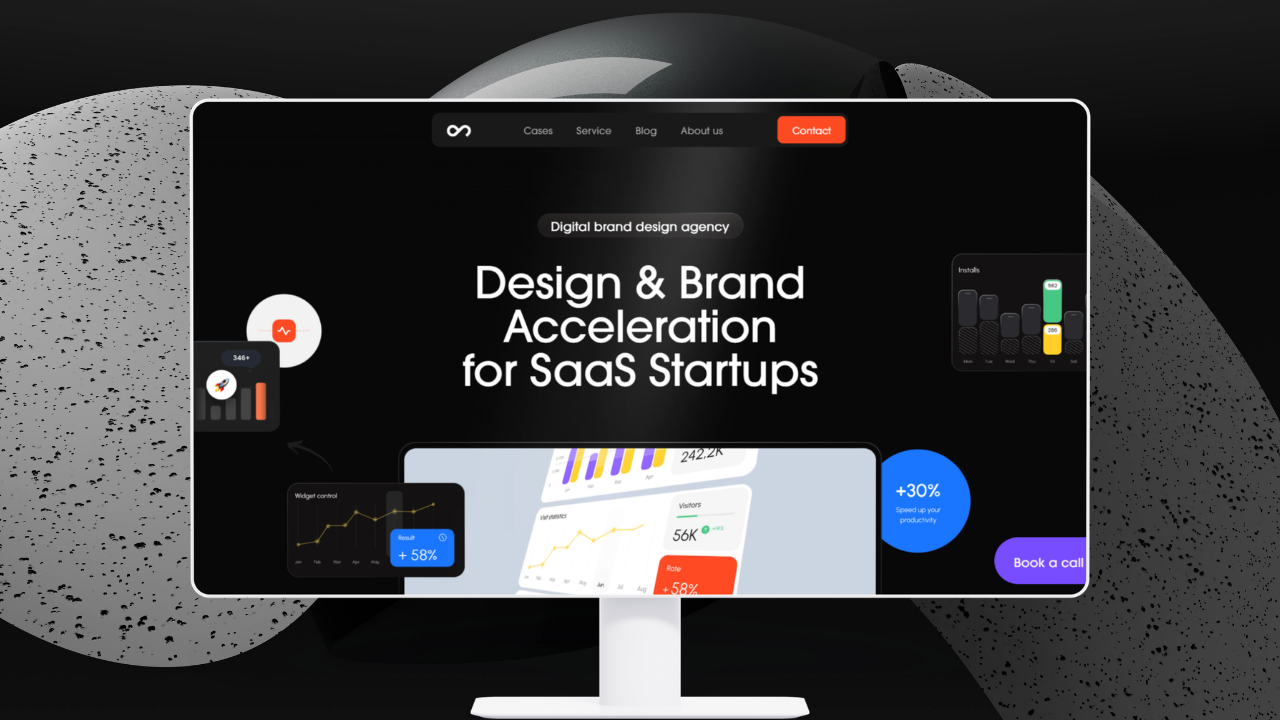
Outcrowd is a digital brand design agency focused specifically on SaaS startups. Their differentiator is stage-aware positioning: they explicitly map their services to pre-seed, seed, and Series A companies.
Their investment outcomes are a solid proof of their impact: 40%+ of their pre-seed clients secure funding, while 25%+ of seed clients reach Series A.
5. HPPY
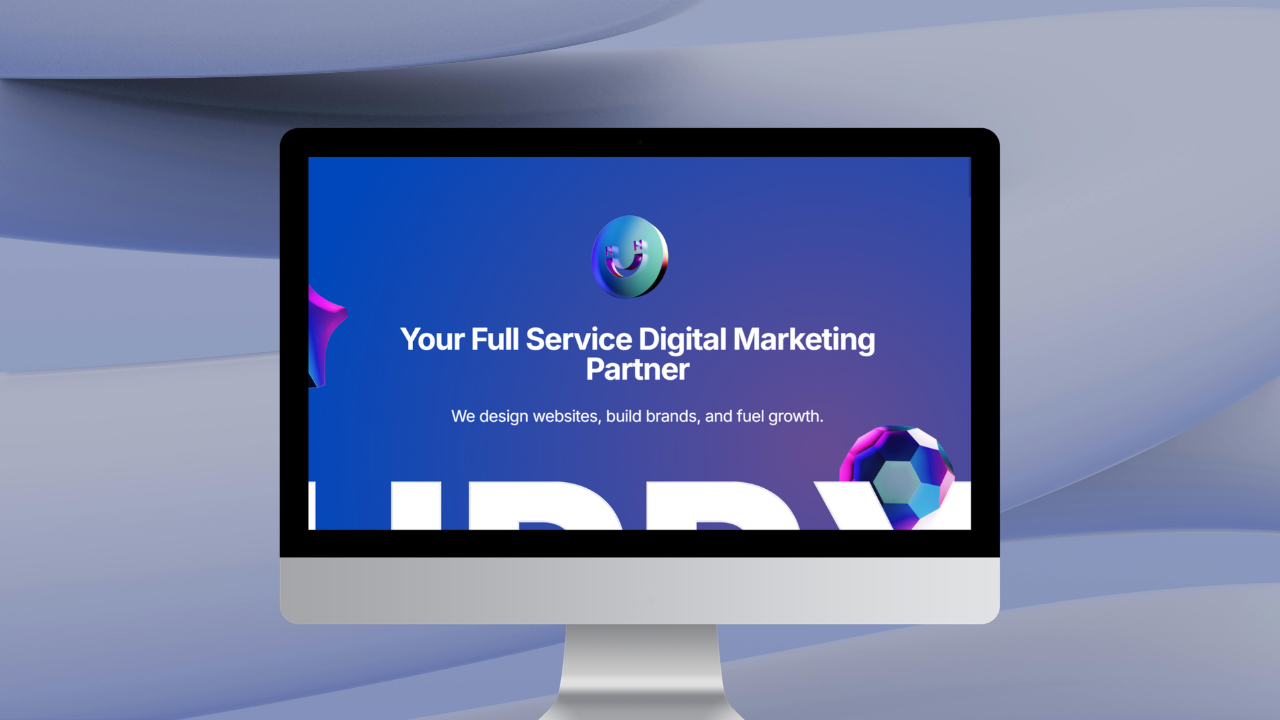
HQ: Toronto
Focus: Marketing
Pricing: Premium (€ 85-124 / hr)
If you’d love to collaborate with marketers, first of all, I’m flattered as a marketer, and secondly, I’m happy to recommend HPPY.
They speak your language when it comes to SaaS web design, and promise “websites that convert, brands that resonate, and marketing strategies that drive measurable results."
6. Qream
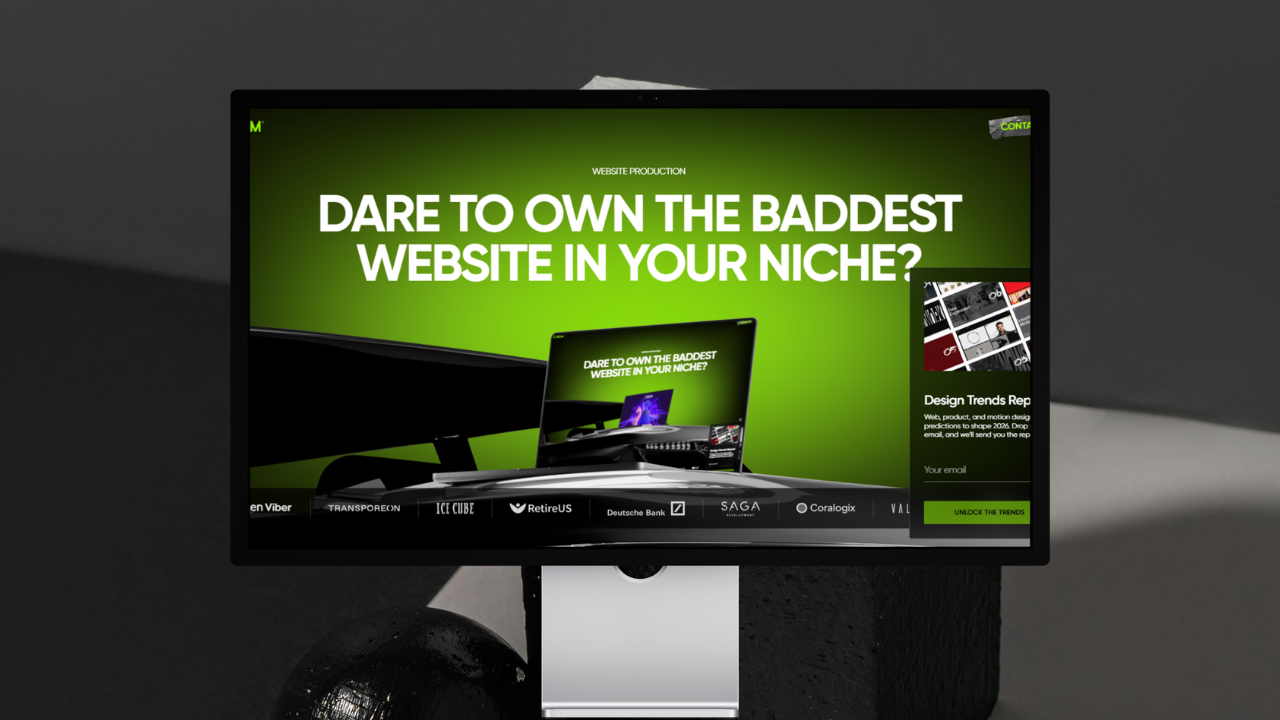
HQ: Kyiv
Focus: Design transformation
Pricing: Premium (€ 85-124 / hr)
If your target audience is gen Z (or just a very laid back B2C market), Qream’s outrageously inventive SaaS web design and branding may be the best pick.
Don’t be fooled by the playful design: they mean serious business. Their 11-person senior team covers strategy, copy, design, 3D, motion, development, and QA, and delivered over 100 projects.
7. Embacy
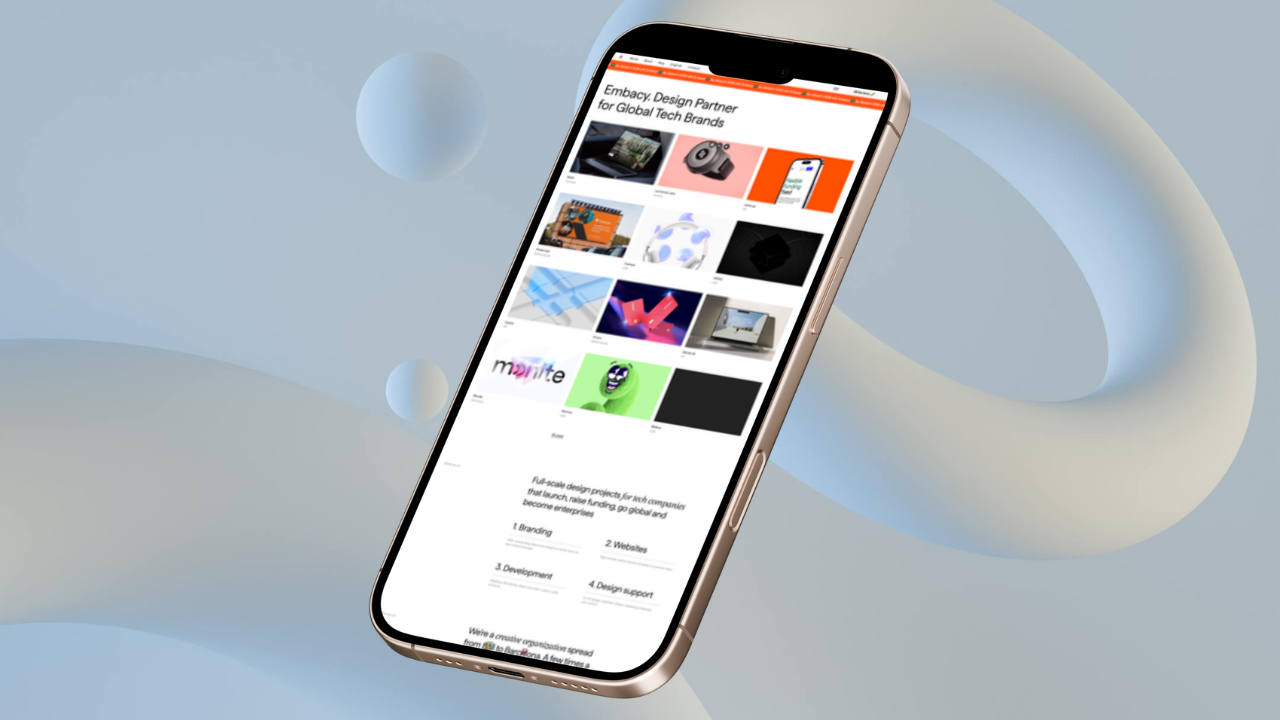
HQ: Barcelona
Focus: Webflow
Pricing: Average (€ 42-85 / hr)
We recommend Embacy to SaaS teams who just want a quick website built, but would prefer a European studio over the US-based Baunfire.
Embacy is a SaaS web design agency who build exclusively on Webflow and are able to run an 8-step process across 4 sprints covering branding, web design, UI/UX, illustration, motion, and development in-house. What they don’t do is marketing or business strategy, so your guidance will be needed. It’s a good opportunity if you prefer to be hands-on with agencies anyway.
8. Balkan Brothers
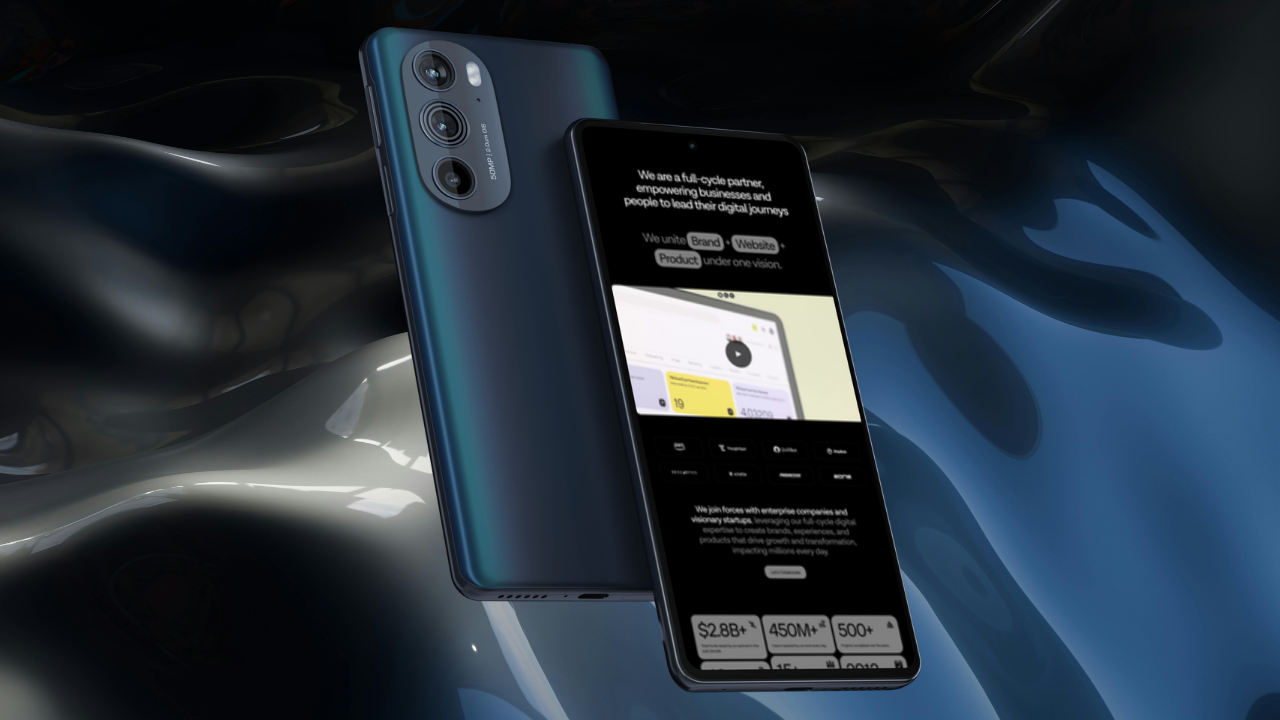
HQ: Krk
Focus: Full-cycle, full service
Pricing: Upon request
If you’re a big picture kind of person, you’ll get along with the Balkan Brothers really well. With 500+ projects under their belt, they’ve proven that their unified approach works like a wonder.
From complete website transformation to quick refresheses and ever quicker sprints, they can guide you wherever you’re on your web design journey.
9. The Weather
HQ: Berlin/Prague, remote-first
Focus: AI
Pricing: Average (€ 42-85 / hr)
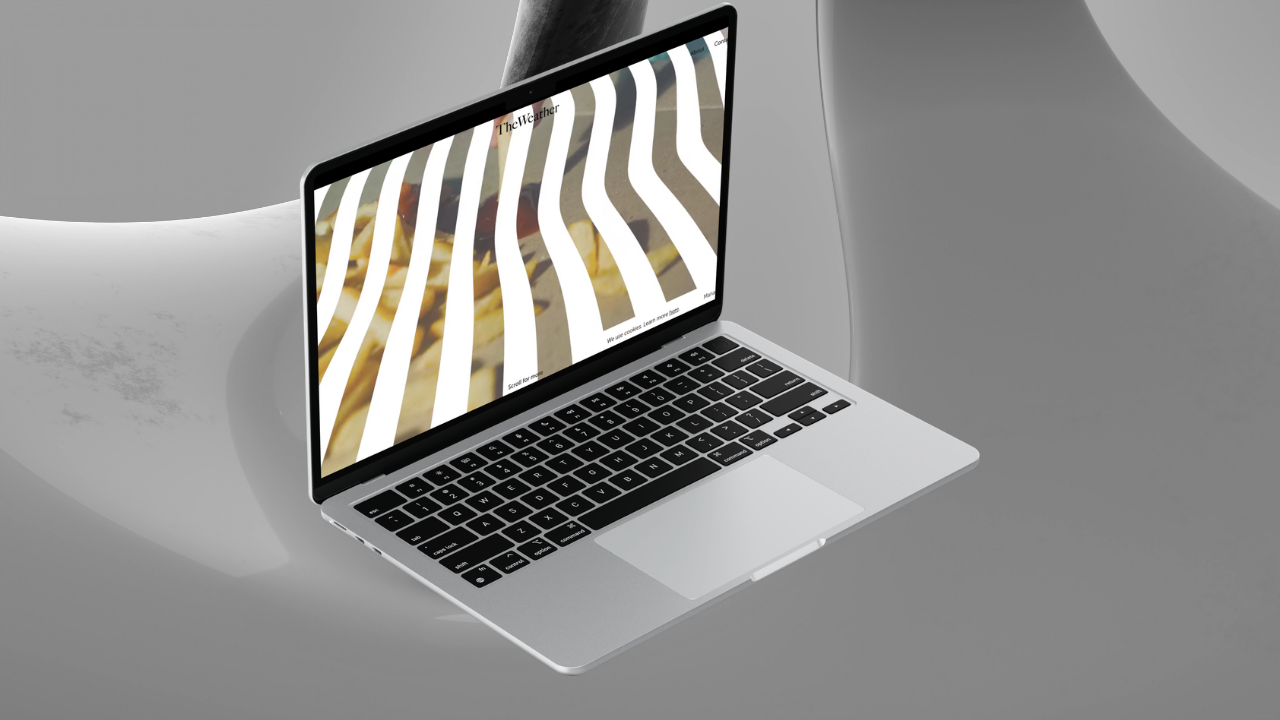
The Weather is a SaaS web design, development, and branding agency dominating the German market, with 16 Awwwards-recognized projects. They have the broadest full-service scope on this list.
Distinctively, they offer full AI product development including agents, LLM integration, and their own AI product (Oylo), so if you need any AI help, shoot them a message!
SaaS website vs. traditional website: why it matters who you hire
Most web design agencies can build you a good-looking website. Far fewer understand what a SaaS website actually needs to do, and fewer still are genuinely great at it.
- A traditional business website exists to introduce a company and hand off to a sales team. The design job is finished when a visitor submits a contact form.
- A SaaS website has a completely different mandate: it has to carry the user from first impression to active paying customer, often with no human involvement at all.
That means that every element on a SaaS site contributes to the product experience. The pricing page, the sign-up flow, the onboarding copy are conversion levers that directly affect monthly recurring revenue. They require a designer with strategic thinking and, ideally, research support.
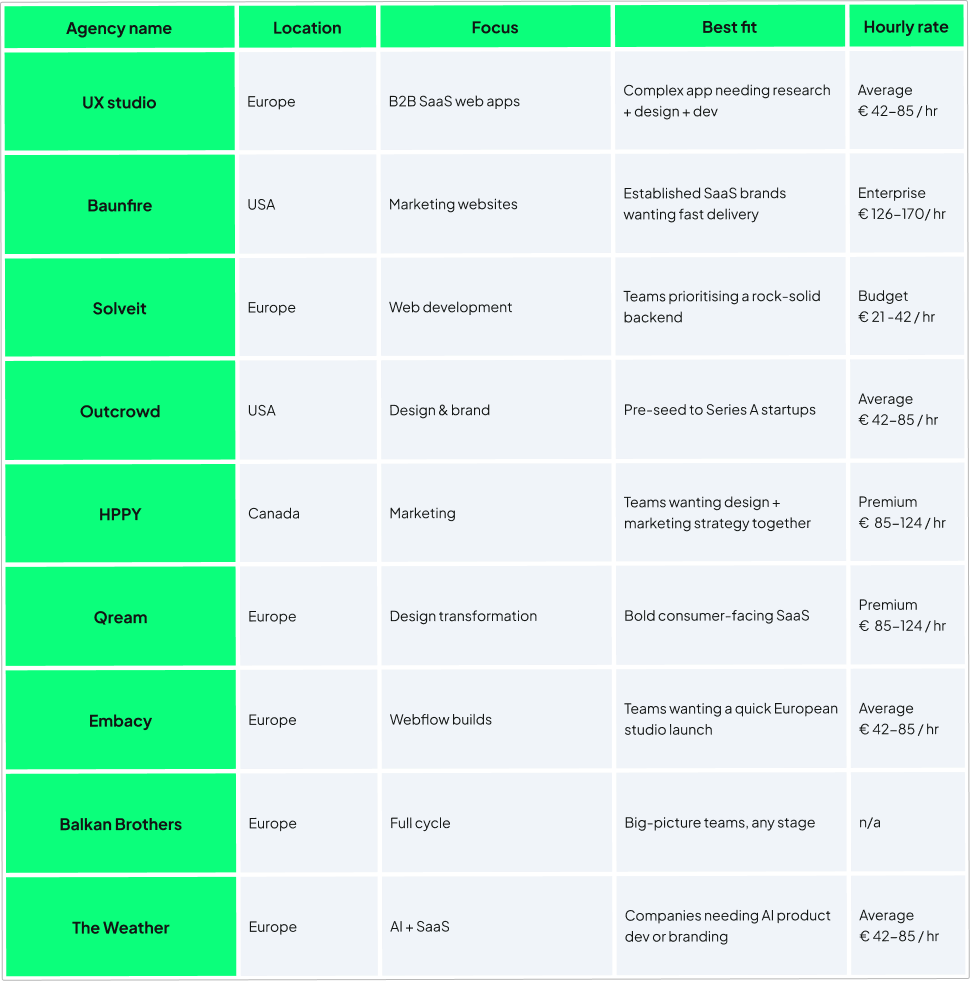
The agencies on this list all clear that bar. This overview table helps you compare and contrast our top 9.
What to ask SaaS web design agencies?
Our checklist, compiled by UX studio CEO David Pasztor, has 5 must-ask questions that’ll help you find the best fit.
- What design process do they use? There’s no one-size-fits-all approach, so be vary of web design agencies who seem inflexible and cannot explain how they’d adapt their process to your specific needs.
- Can you keep the design team on an ongoing basis? New problems and new opportunities arise, especially on more complex web app projects. Working with the same people saves you a lot of handover / onboarding time.
- Do you have dedicated UX researchers? At some agencies, designers are tasked with research, but in our experience, that means they have less time for design, and the data they bring will lack depth. It’s worth hiring a UX researcher part-time or for a specific project phase.
- How can you support the UX company experts’ daily work? Even the most independent and proactive teams need your input: you have the most experience with your product. Talk about how collaboration would look like.
- Will the web designers work full time on your web app/website? You need dedicated people for the best results, and you need their full attention.
Unlike a traditional website, a SaaS website is never really finished. It evolves continuously alongside your product, which means the right agency often isn't a one-time build partner but a long-term design collaborator. This is why these questions focus on partnership.
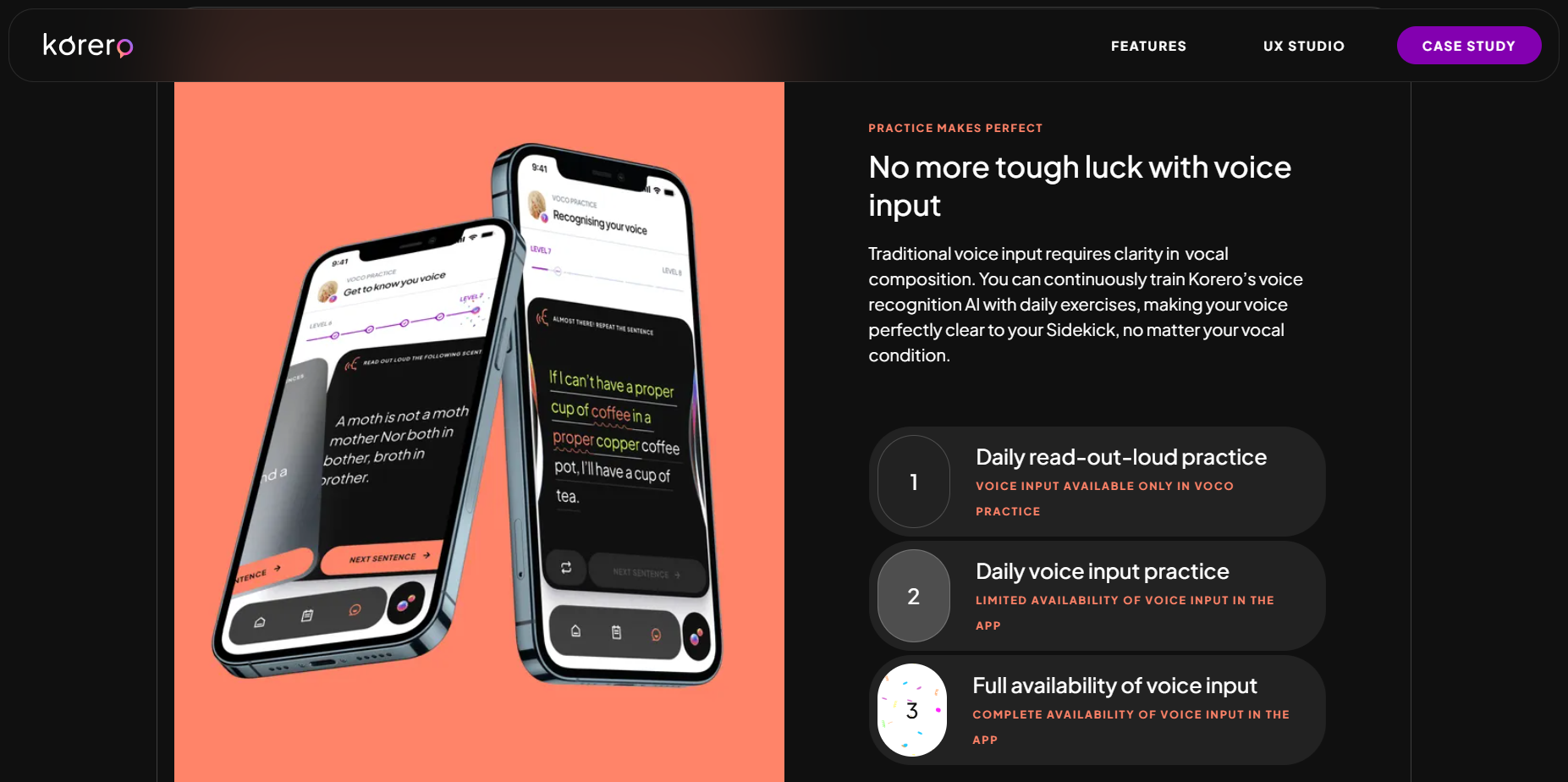
Wanna dig deeper into their SaaS experience? Here’s what to check.
How to choose the right SaaS web design agency for you
We listed 9 excellent web design agencies to help your research, but the final pick comes down to the specific needs of your project. You need a company that understands the intricacies of your specific SaaS businesses, including non-linear buyer behaviour, subscription models, user retention, scalability, and product evolution.
1. Determine the depth of their SaaS-specific UX/UI expertise
When comparing agencies, look beyond the marketing copy and shiny visuals to validate their experience, portfolio and research capabilities.
Determine their experience
Unlike standard websites, SaaS platforms require multiple user journeys. A strong SaaS agency optimizes these flows to reduce drop-off rates and improve feature adoption.
- Subscription management: Can users easily upgrade, downgrade, or cancel plans?
- Feature discovery: Are advanced features surfaced naturally without overwhelming users?
- New user onboarding: How intuitive is the sign-up process? Does the design encourage activation?
Browse case studies
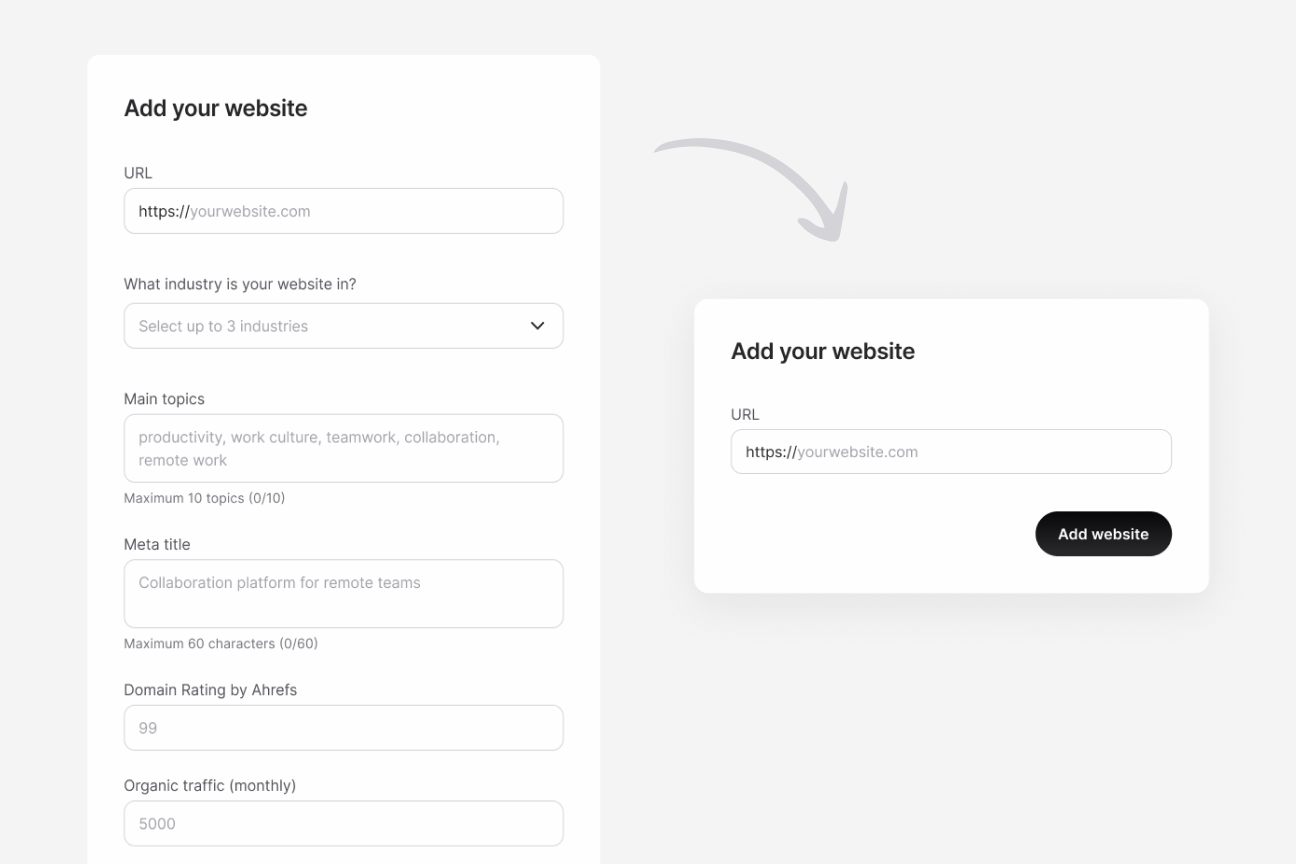
A great way to assess an agency’s effectiveness is to look at their portfolio.
- Client testimonials and case studies showcasing measurable improvements (e.g., increased conversion rates, reduced churn).
- Long-term relationships: are clients returning for future work? SaaS design is ongoing, not a one-time project.
- Industry recognition: has the agency won awards or been featured in UX publications? Do they have their own blog, or share insights on social media?
Some projects may be under NDA. Once you're already in contact with a business developer, you can ask for more examples before committing.
Check research capabilities
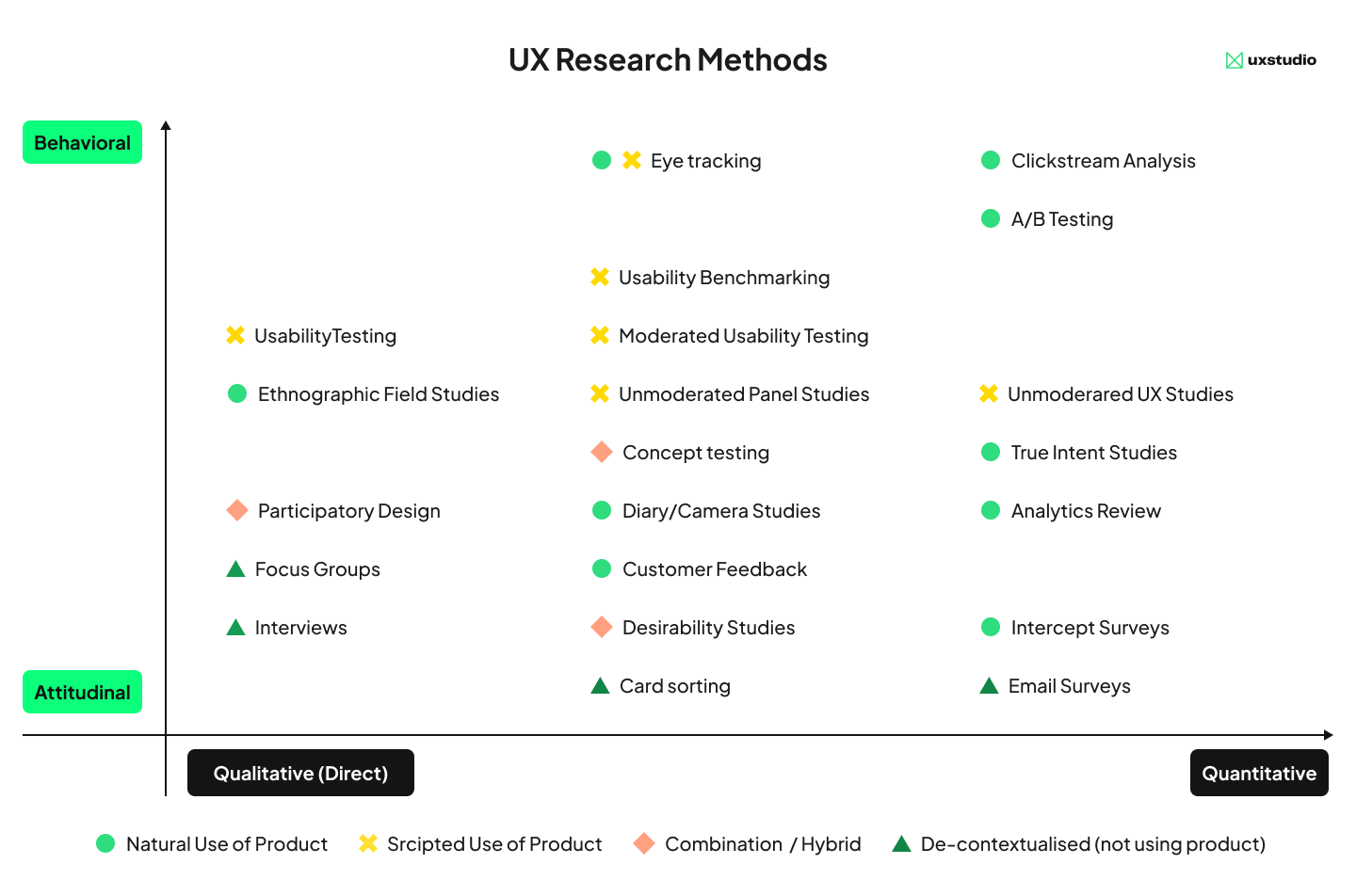
Any SaaS web design agency worth their salt should bring research-backed insights to the table. Metrics-driven UX ensures that your SaaS platform isn’t just beautiful but effective in converting users and driving retention.
Ask the following questions:
- Do they offer research services with varying length/depth?
- How do they measure the impact of their designs post-launch?
- Do they validate assumptions with data before committing to design changes?
.
2. Test their understanding of SaaS business models
An agency that gets SaaS will design with its business model in mind, ensuring that every element—from homepage structure to pricing page UX—is optimized for conversions.
Freemium
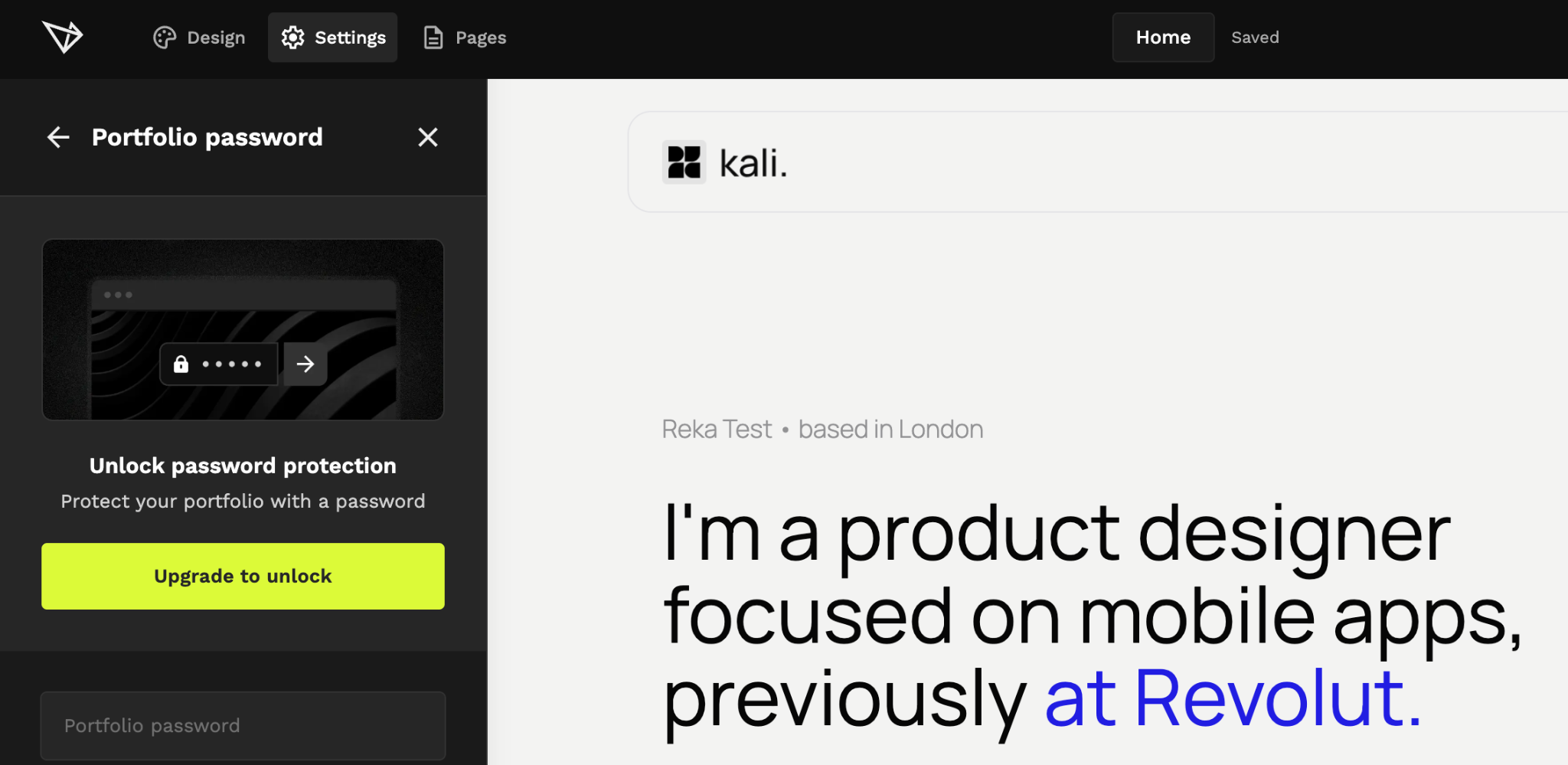
UX design helps you balance value delivery with strategic limitations that encourage upgrades. Clear feature differentiations and frictionless upgrade paths are a must.
Guiding users to experience the product’s core value early is at the core of a freemium strategy. Onboarding flows should highlight premium features naturally as users explore the product. Rather than aggressive upselling, well-placed UI elements (such as subtle banners or tooltips) should remind users of advanced capabilities available through paid plans.
Self-serve SaaS UX (B2C & SMB focus)
Self-serve models rely on users navigating the product independently. The UX should emphasize simple and intuitive interfaces, fast sign-up and onboarding and transparent pricing. Automated support options, including AI chatbots, can be a great addition.
Enterprise SaaS UX (B2B focus)
Enterprise users have different expectations, as decisions are often made by multiple stakeholders. Key UX considerations include customizability, trust, security and scalability. Concierge onboarding and demos are a popular addition. Also, dashboards that provide advanced analytics and customizable reports help organizations track usage and ROI.
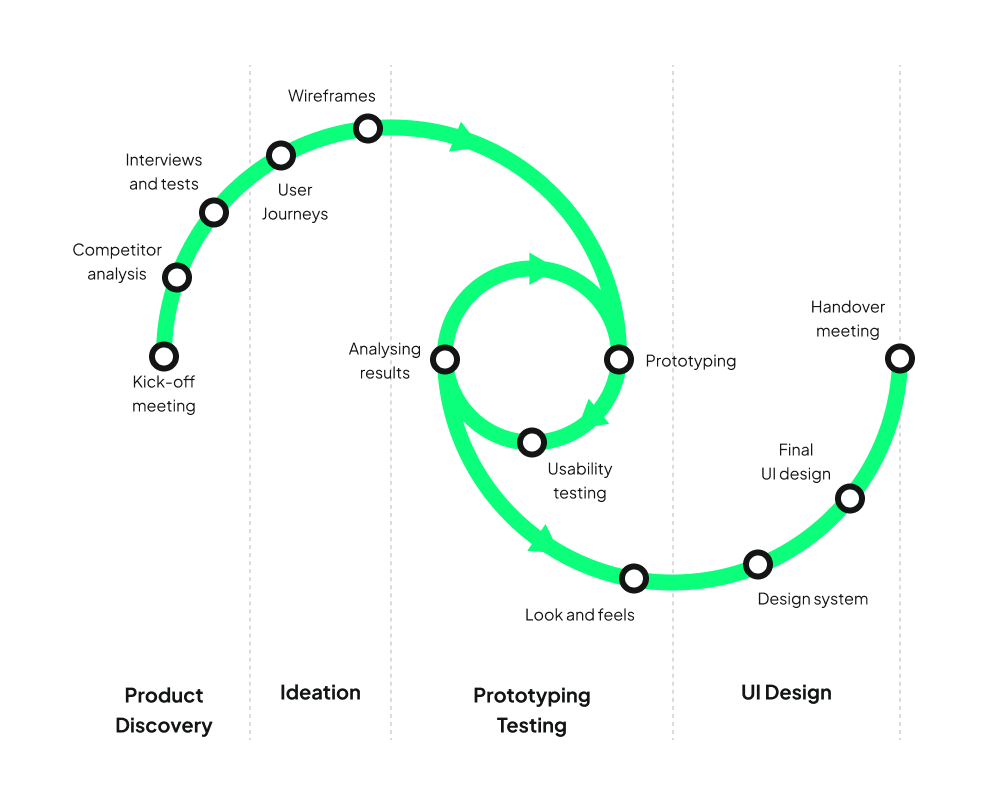
3. Prioritize agencies with agile, scalable design process
SaaS products evolve. Your website and platform must adapt as features grow, user needs shift, and new markets open up. The right agency:
- Works in iterative cycles to continuously test and improve.
- Designs with scalability in mind, ensuring the UI can grow without breaking.
- Understands cross-platform consistency, ensuring a seamless experience across web and mobile.
- Has experience integrating with SaaS development workflows (e.g., agile sprints, working with engineers).
- Capable of collaborating with a custom software agency or in-house development teams.
- Offers clear communication and structured handoffs to prevent delays.
- Uses industry-standard tools like Figma, Jira, and Notion to streamline processes.
An agency that understands your internal workflow will speed up implementation and reduce friction between design and development.
The next steps
UX studio’s SaaS web design team understands the unique challenges SaaS companies face, from increasing trial-to-paid conversion rates to reducing churn and improving engagement.

Ready to take your SaaS platform’s UX to the next level? Reach out and put us to the test.