How to design for calmness

How can we design for calmness in a world full of distractions? As designers and researchers, how can we create space and solutions that promote serenity and focus?
To help us find the answer, we interviewed Lisa Kleinman, an accomplished UX researcher and design strategist. Lisa leads the Product design team at make.com, a revolutionary visual platform that enables users to design, build, and automate anything without coding.
We also discuss how aspiring UX professionals can learn from the strategic thinking of product managers, which lets them expand their experience and thinking structure.
Design for calmness
“[During my PhD research,] I was a little bit disappointed to find that I didn't have some major discovery that all of humanity was going to disappear because we were multitasking,” Lisa shared. “I found that humans are very accommodating and figured out workarounds to help each other out in distracted states.”
But a lot has changed since she graduated. “I noticed that my attention span was terrible,” she says. “If someone sends a YouTube video longer than 1-2 minutes, it feels like such an effort to click play and watch it straight through.”
She started wondering whether user expectations have really shifted. Quick and short, TikTok style content is on the rise, so everything is designed to be consumed at a glance.
There’s backlash too, of course. A growing number of Gen Z prefer dumb phones over smartphones to minimize distraction and be more in the moment. Digital detoxes are popular across generations, “I will say from a societal perspective, I appreciate that being offline is normalized,” Lisa added.
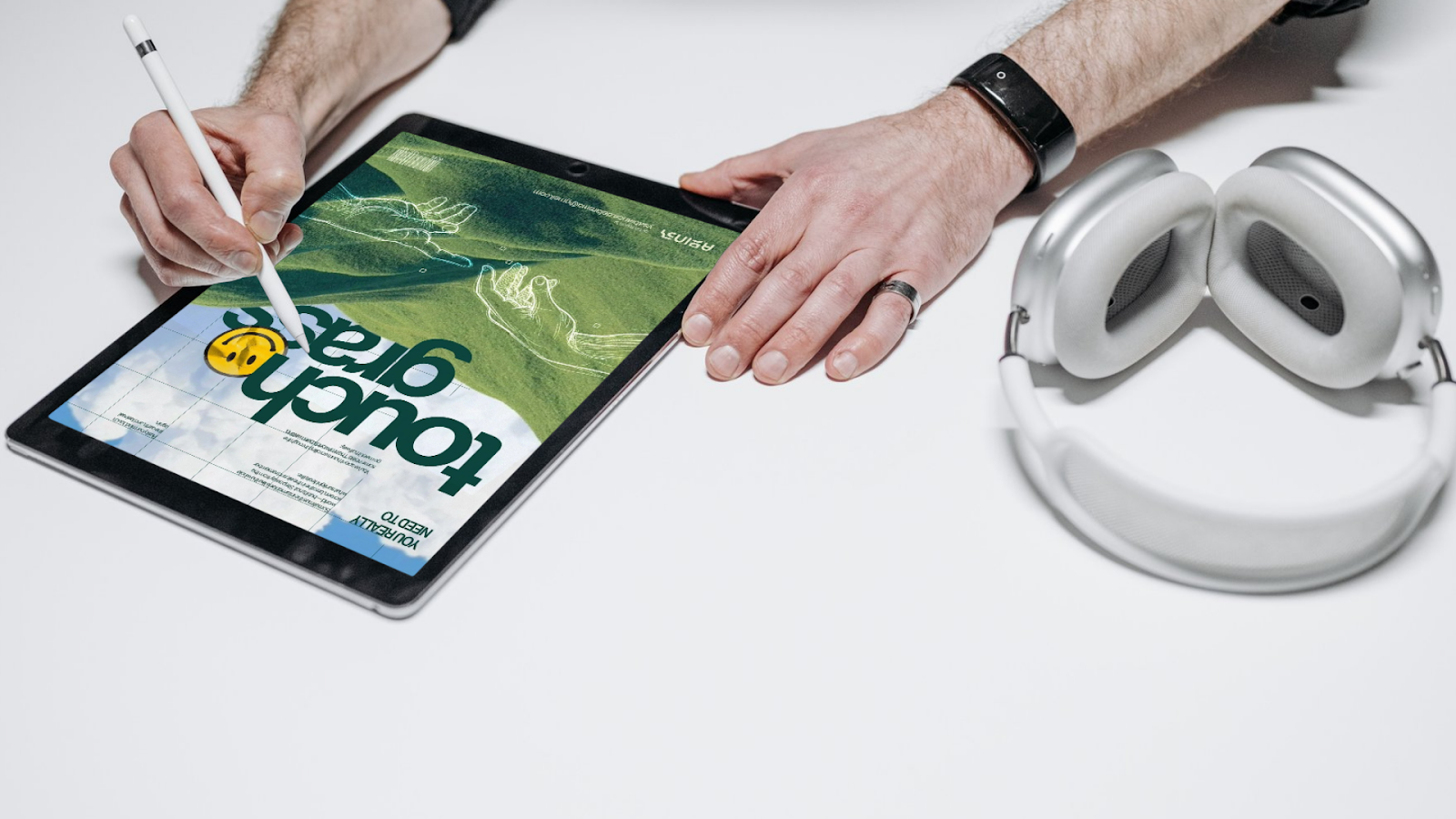
All this raises an ethical dilemma for designers and businesses. “A lot of the work we do is about keeping people engaged and using our systems,” Lisa said. So, how might we balance helping promote great experiences with calmness?
It starts with research. “When we're interviewing people, what if we started to ask more about how they maintain focus during your day?” Lisa suggested.
When thinking about design for calmness, our minds might go to mindfulness apps and meditation, but Lisa’s challenge is to bring calmness to the design you’re currently working on. “Explore technology and collaboration within a framework of how you can keep users more present and engaged with the physical world,” she suggests.
“I think one of the sort of natural thinking traps that all of us get into when we're working on our specific product or service is that we think that the user or customer is deeply focused on their task,” Lisa says. This blindspot can carry over to usability testing and user interviews as well. “We tend to put these blinders up and just focus only on the product.”
Think about the full context of people's work environment, which will bring you back to the physical world. Our example by UX studio is that when we worked with EWN, a compliance management platform, we realized that most field agents prefer tablets over laptops; also, we had to account for glare and the possibility of bad internet connections.
Lisa recalls another example: “There was a really fantastic design and research team, and what they noticed is that in the city where they were studying mobile phone use often floods, and people had to literally put their phone up on the wall.”
There are other things that should be taken into consideration–it may not be a hook on the wall, but something that ties into accessibility and inclusiveness.
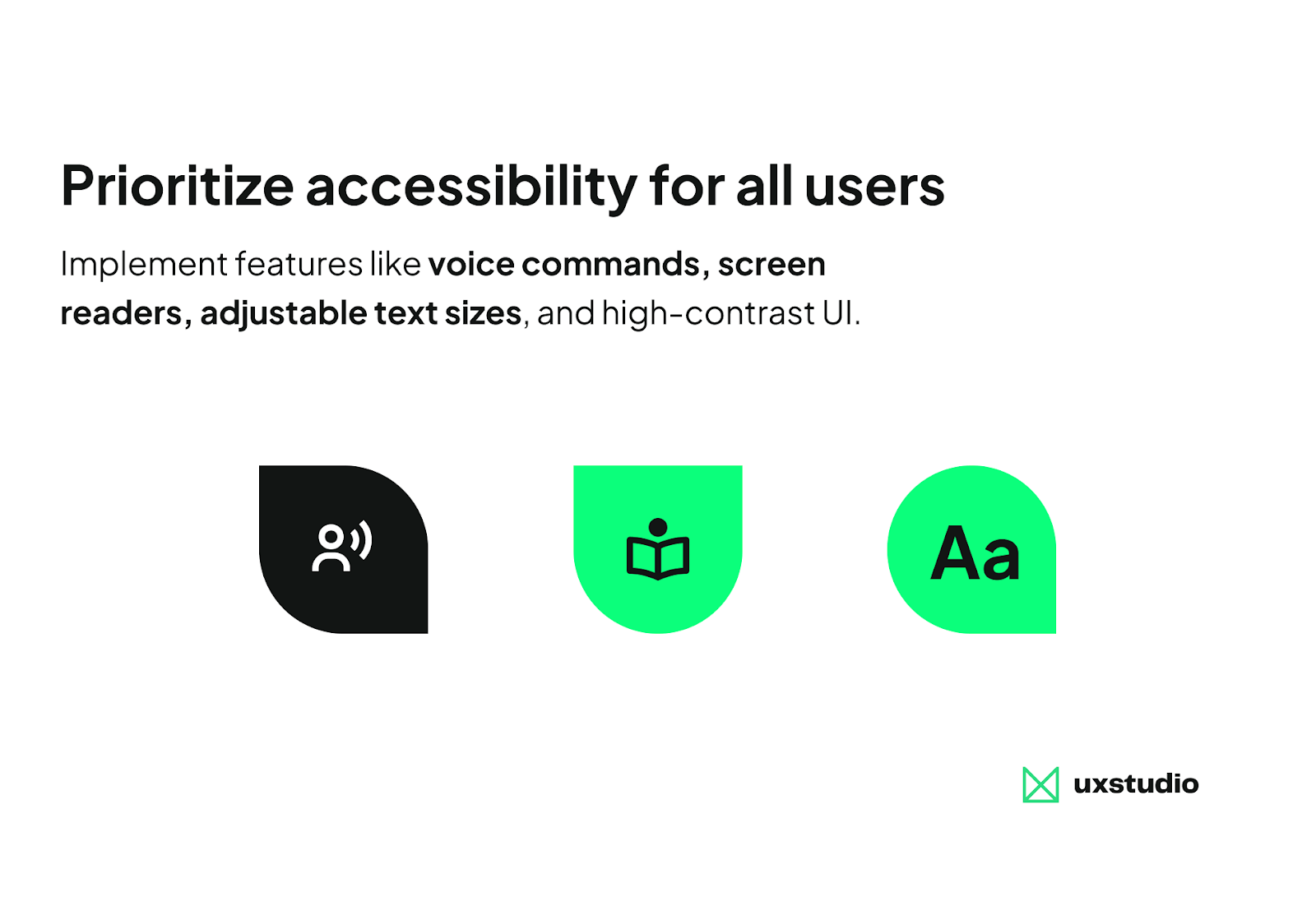
We recommend the following resources:
- The UX Design Institute’s accessibility checklist
- “Designing for accessibility beyond compliance” by UX Collective
- Our very own inclusive design journey
Balancing design and business mindsets
In the early days of UX, there was no clear playbook, established patterns or specialised tools. As Lisa recalls, much of the work felt like “feeling our way in the dark.”
Inspiration often came from outside the digital world: magazine layouts and print journalism were some of the closest references designers had when shaping early interfaces.
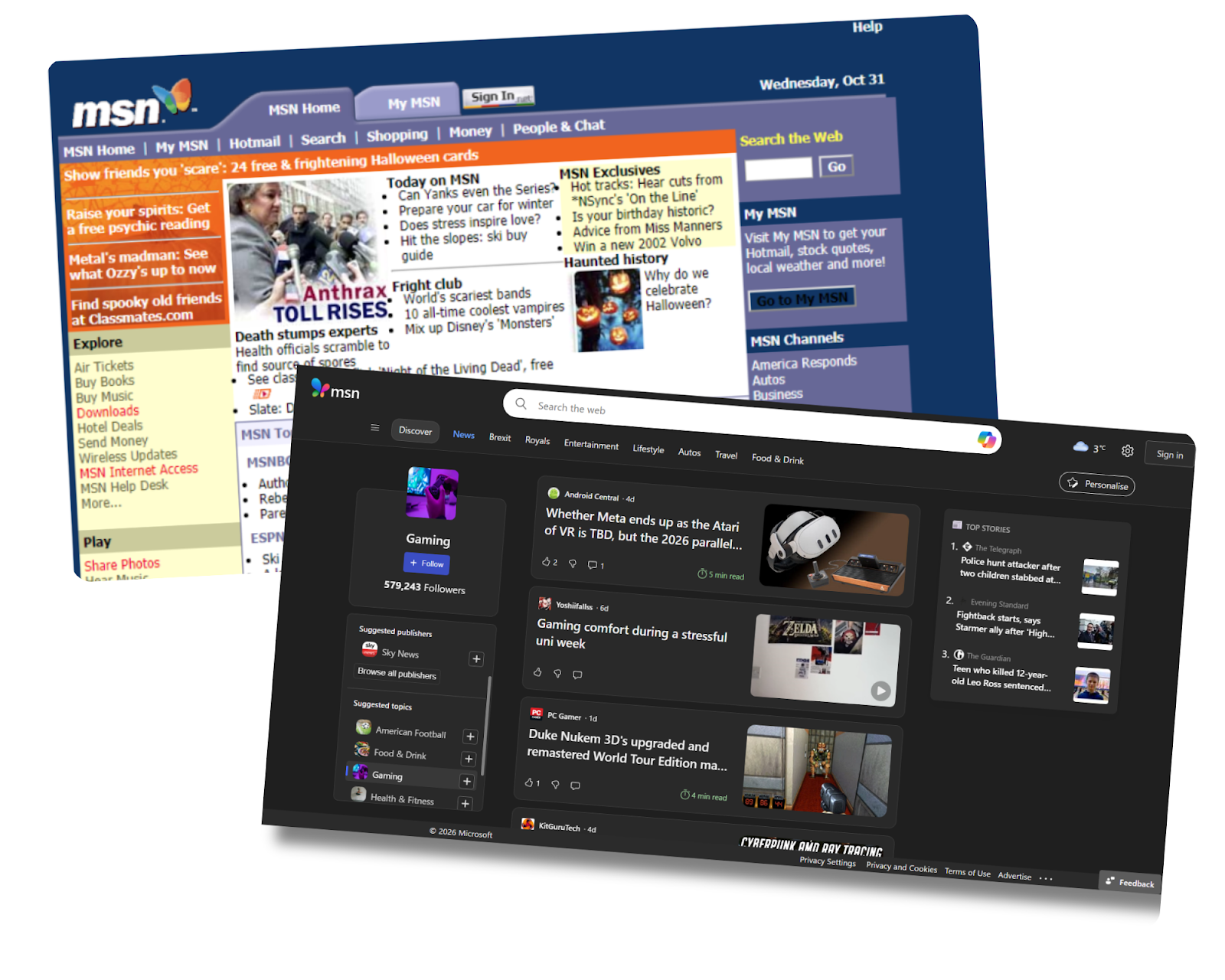
Despite technological constraints, some of the core thinking behind UX was already taking shape. Foundational principles, such as Jakob Nielsen’s usability heuristics, were available and actively used. Designers then, just like now, were trying to help people make sense of complex systems.
What has changed, however, is the level of shared understanding. Today, non-design stakeholders are far more aware of UX and its value. They’re better equipped to give meaningful feedback and treat UX designers and researchers as equal partners.
The tools, technologies, and processes have evolved since the ‘90s, but perhaps the most important shift is this shared awareness, which makes building better products a truly collaborative effort.
Designers who work in agencies know that having great design skills is not really about the ability to create a great design.That's actually the easiest part.
How you work with a client so that you are not forcing them to follow your lead. Clients must feel that they understand why the design works. Our designs must be self-explanatory.
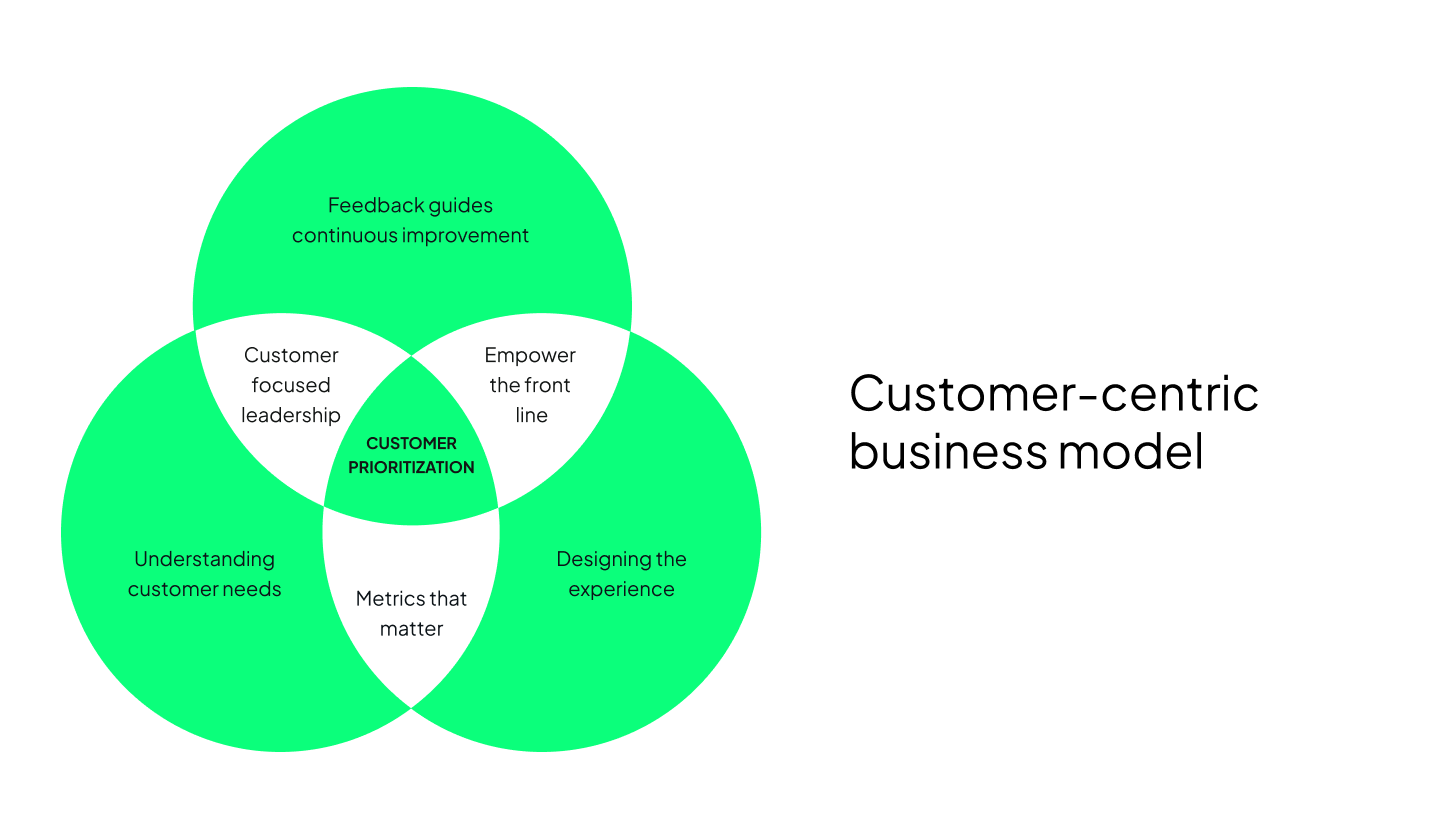
In turn, the UX team must understand the client’s business perspective. You may barely remember what “earnings before income tax” means, but what’s more important is your ability to bring balance between what we see as the best user experience and what the business’s financial goals are.
You need to understand what's happening in the marketplace and how your designs help facilitate and support the right sort of persona or organization that matches the business goals.
People who are first coming into UX and wanna build out their business perspective should spend more time with the podcasts and blogs coming out of the product management discipline, because, as Lisa highlights, product management is the discipline that's responsible for driving business strategy through the development of the product. “You’re going to have a much easier time working with your product managers if you understand their key learnings and theories,” she said.
Lisa recommends Lenny’s newsletter and Marty Cagan's book called Empowered. Getting better at Figma is important, but you'll go much further by understanding PM and engineering.
Want to learn more?
Listen to the full interview:
Spotify | Apple Podcasts | Google podcasts | Youtube
If you want to learn more about UX design, UX research, and our experiences working on projects, make sure to also check out our UX design blog. We share valuable insights, tips, and best practices to help you grow your skills and knowledge in the industry.
Credits:
Insights by Dr. Lisa Kleinman, Head of Product Design
Interviewer and podcast host: Karthikeyan Krishnamoorthy, UX designer
Editor and copywriter: Dr. Johanna Székelyhidi, marketing manager